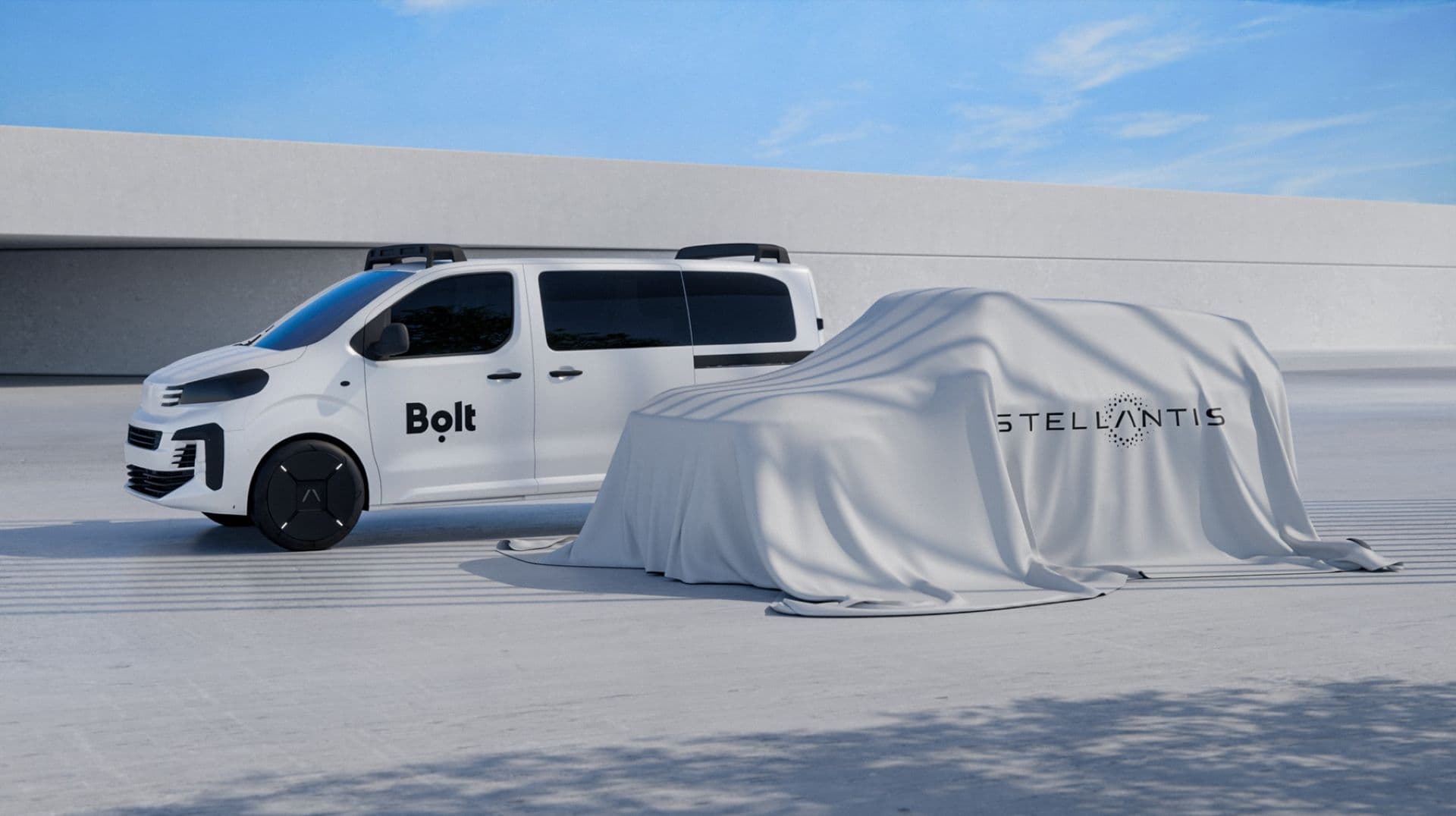
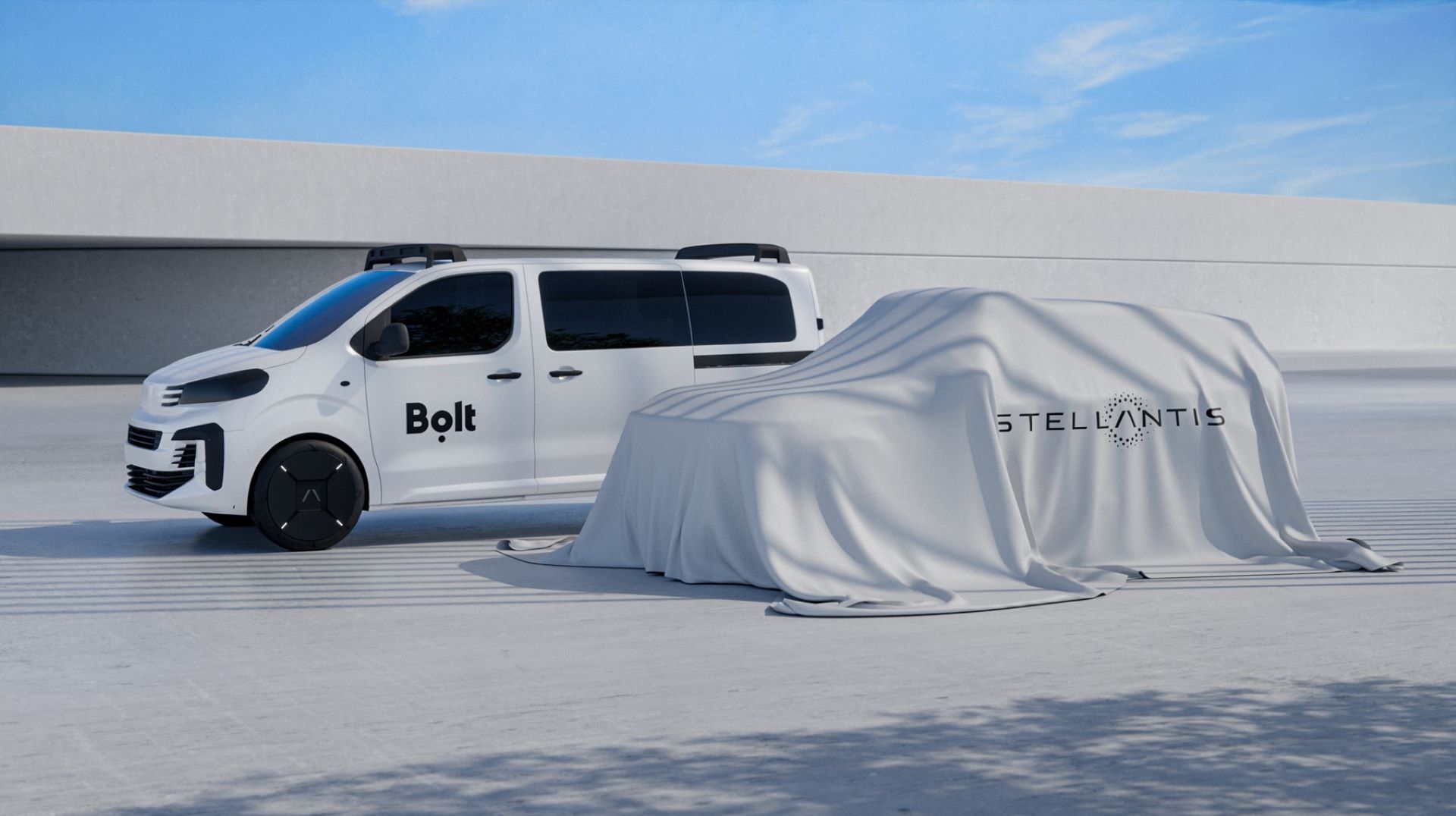
Stellantis and Bolt have announced a joint plan to bring Level 4 autonomous vehicles to Europe, combining Stellantis advanced vehicle platforms with Bolt’s extensive mobility network.
The partnership aims to support the development and later deployment of driverless ride hailing services, beginning with test fleets in 2026.
Bolt, founded in Tallinn in 2013, has grown into one of the largest mobility companies in the world. It operates in more than 50 countries including 23 within the European Union. Its services now span ride hailing, micromobility, grocery and food delivery and car sharing. The company hopes to host 100,000 autonomous vehicles on its platform by 2035, an ambition it believes can be accelerated through cooperation with Stellantis.
The technical foundation of the agreement will be Stellantis AV Ready Platforms, which include the eK0 medium size van and the STLA Small platform. These platforms have been engineered to incorporate sophisticated sensors, advanced onboard computing and multiple layers of redundancy. Stellantis says the result is a competitive solution for operators that supports low running costs and high safety standards.
Deployment will follow a phased approach, starting with prototypes and small pilot fleets before expanding to industrial scale. Commercial production is planned for 2029. Both companies will work with regulators as the project progresses, ensuring that each stage meets the strict safety and cybersecurity standards expected for autonomous operation in Europe.
Antonio Filosa, CEO of Stellantis, said the platforms have been shaped to provide flexibility and to help reduce emissions through optimised shared mobility. Markus Villig, CEO of Bolt, said the partnership joins two organisations well aligned with European expectations and capable of creating a service that fits the local market. He added that the goal is to deliver a trusted autonomous fleet that customers can use every day.
Staff Writer
Reporting from the front lines of the automotive industry, delivering expert analysis and the technical updates that drive the South African motor sector forward.
More news from News