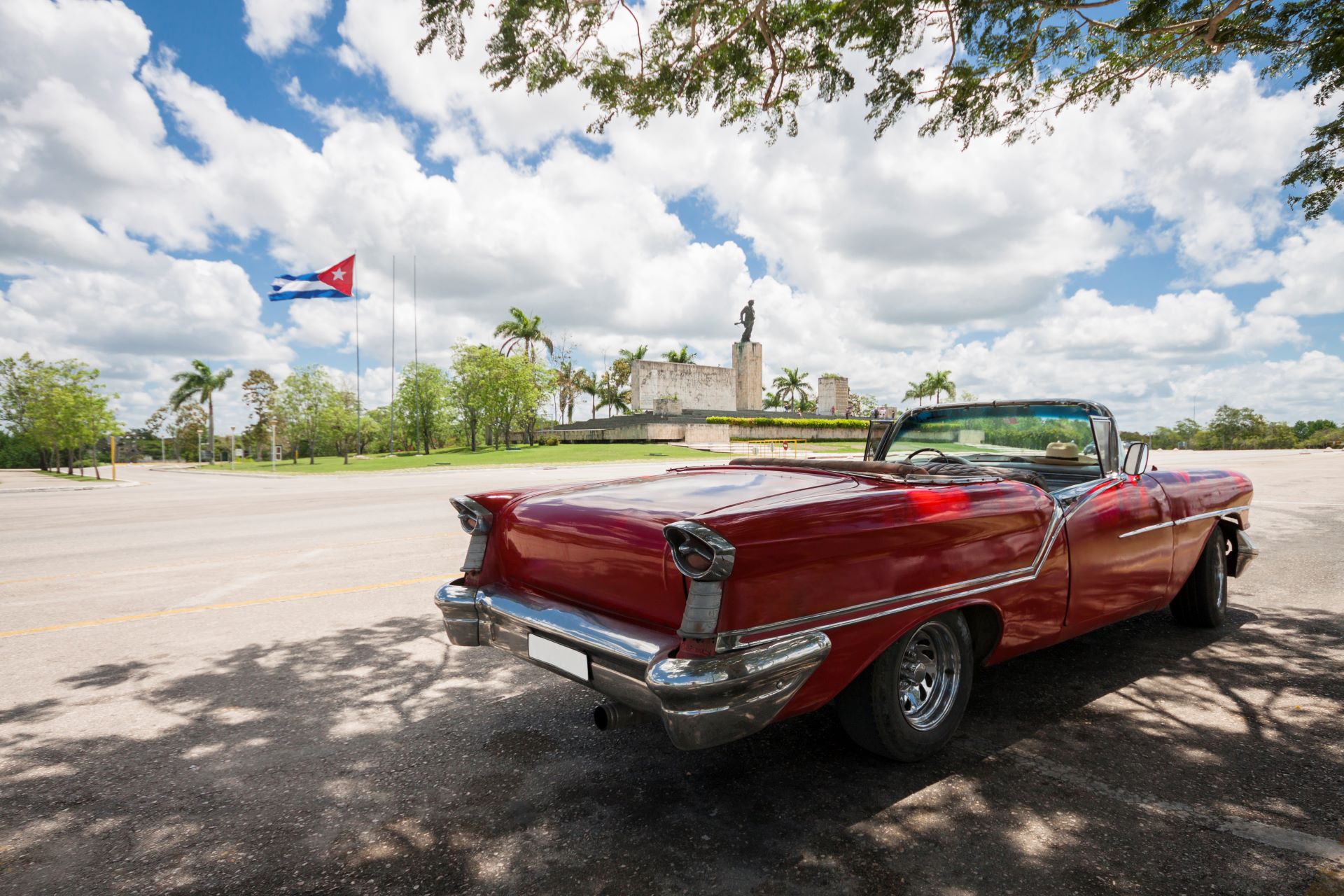
Cuba’s streets, once dominated by the unmistakable growl of mid-century Chevrolets, are undergoing a quiet transformation.
As the island faces one of its harshest fuel shortages in recent memory, electric vehicles have shifted from niche curiosities to everyday necessities. Their rapid adoption reflects both economic desperation and unexpected resilience among ordinary Cubans.
The crisis deepened after the United States intensified pressure on Havana by cutting off oil flows from Venezuela—Cuba’s chief source of imported fuel—and warning other nations against supplying the island. These measures, part of a broader policy escalation, have caused fuel deliveries to collapse, leaving the government with little choice but to impose tight rationing across sectors.
In the sprawling district of Alamar, electric tricycles operated by state workers now form the backbone of local transport. Drivers such as Eugenio Gainza run rigorous daily schedules to compensate for the near disappearance of petrol-powered alternatives. For passengers like María Caridad González, these vehicles remain one of the few reliable and affordable ways to move around as rationing strains daily life.
The disruption is not confined to the roads. Aviation authorities have warned that jet fuel is unavailable at major Cuban airports, forcing airlines to reroute flights, schedule technical stops abroad, or suspend services altogether. With tourism still a cornerstone of the nation’s economy, the impact is immediate and profound, placing further stress on an already fragile financial landscape.
Officials in Havana have stressed that dwindling fuel supplies must be preserved for essential services, including agriculture, healthcare, water systems and national defence. Yet the nationwide shortages have led to prolonged blackouts, rising inflation and mounting pressure on households already struggling under decades-long economic restrictions.
Even so, some residents see a glimmer of hope in the growing use of electric transport. People like Bárbaro Castañeda argue that without electric mobility and small-scale renewable solutions, everyday life would have ground to a halt entirely.
As Cuba navigates tightening sanctions and collapsing fuel imports, the quiet hum of electric motors has become the unlikely sound of endurance—proof that adaptation, however difficult, remains possible.
Staff Writer
Reporting from the front lines of the automotive industry, delivering expert analysis and the technical updates that drive the South African motor sector forward.