In “Sacrificing Safety Is Not the Way to Make Cars Affordable,” David Harkey, president of the Insurance Institute for Highway Safety–Highway Loss Data Institute (IIHS-HLDI) in the USA, pushes back against the growing narrative that vehicle safety requirements are responsible for soaring new-car prices.
He argues that this claim misidentifies the real cost drivers and risks reversing decades of progress that have saved countless lives.
Harkey notes that although the average price of a new vehicle has climbed to about $50,000 (R800 000), consumers do not need to spend anywhere near that amount to get a safe car. Several mainstream models priced under $30,000 (R400 000) deliver top-tier crash protection and come standard with proven crash-prevention technologies. These vehicles, all recipients of the IIHS Top Safety Pick+ award, demonstrate that high safety performance is achievable without luxury-level pricing.
The affordability debate has recently resurfaced during congressional hearings on automotive safety and innovation. Some stakeholders have suggested that slowing the rollout of new safety features would help lower vehicle costs. Harkey warns that this approach would be misguided, arguing that the price of abandoning safety would be paid in preventable injuries, fatalities and long-term societal costs.
Drawing on decades of safety research, Harkey highlights the impact of foundational technologies such as seat belts, airbags and electronic stability control. Each innovation initially added cost but ultimately became standard after proving its effectiveness. IIHS, he explains, has played a central role in this process through crash testing, safety ratings and collaboration with automakers, particularly in accelerating the adoption of automatic emergency braking — a technology shown to significantly reduce both rear-end and pedestrian crashes.
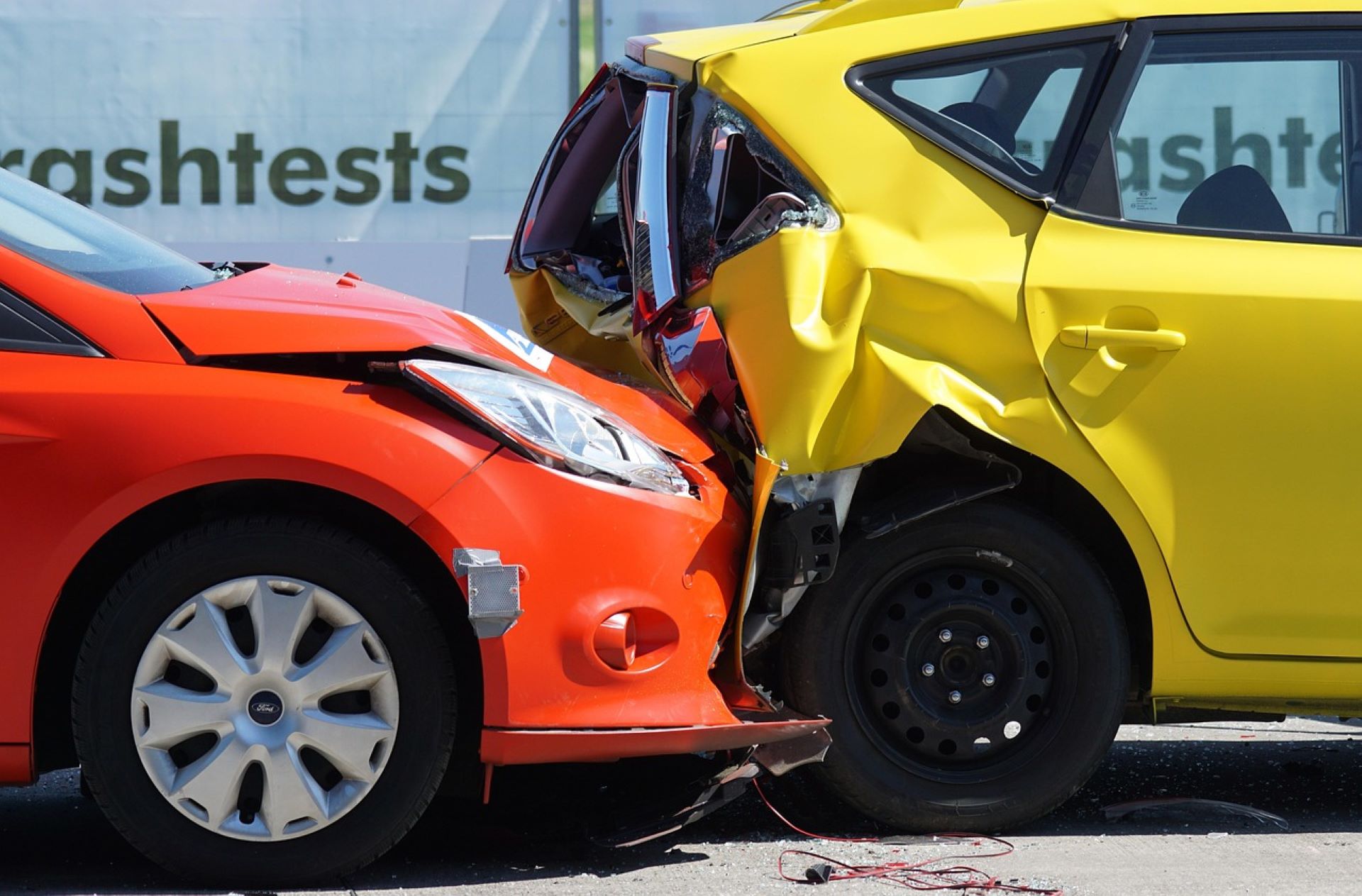
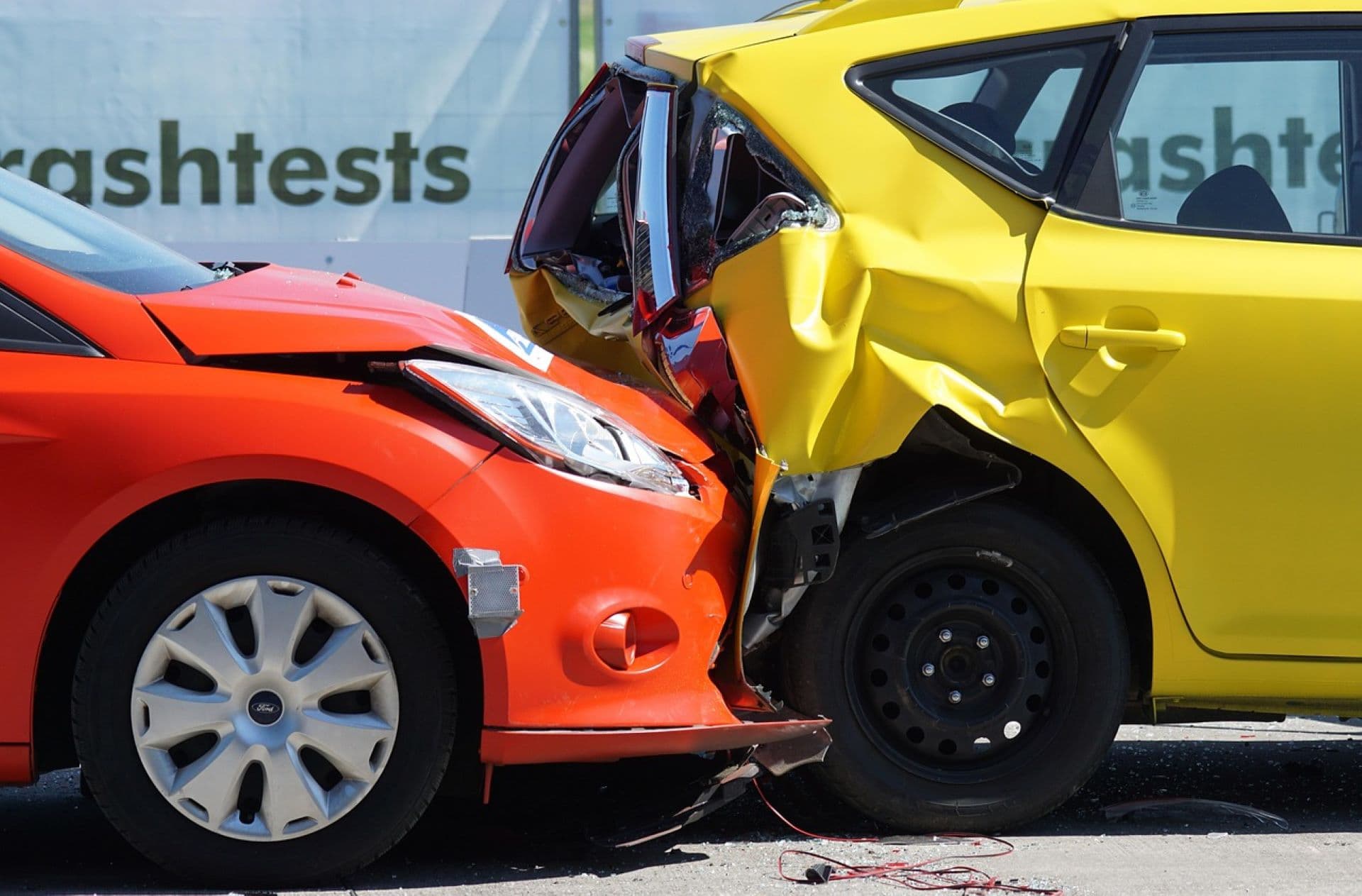
While safety features do increase manufacturing costs, Harkey emphasizes that the return on investment is overwhelming. A federal analysis found that the benefits of U.S. vehicle safety standards outweigh their costs by more than twentyfold, accounting not only for economic savings but also for reduced human suffering and loss of life.
According to Harkey, the real contributors to higher vehicle prices lie elsewhere. Consumers increasingly favour larger vehicles such as pickups and SUVs, which are inherently more expensive. Many buyers also choose higher trim levels packed with comfort, performance and cosmetic upgrades that have little to do with safety. These preferences, not safety mandates, are the primary forces pushing transaction prices upward.
Harkey concludes by cautioning against complacency at a time when U.S. traffic fatalities remain stubbornly high and, in recent years, have increased. Through its 30x30 initiative, IIHS has set a goal of reducing road deaths by 30% by 2030. Achieving that target, he argues, will require continued commitment to vehicle safety, smarter policy and safer infrastructure — not a retreat from proven, lifesaving technologies in the name of affordability.
Staff Writer
Reporting from the front lines of the automotive industry, delivering expert analysis and the technical updates that drive the South African motor sector forward.
More news from News