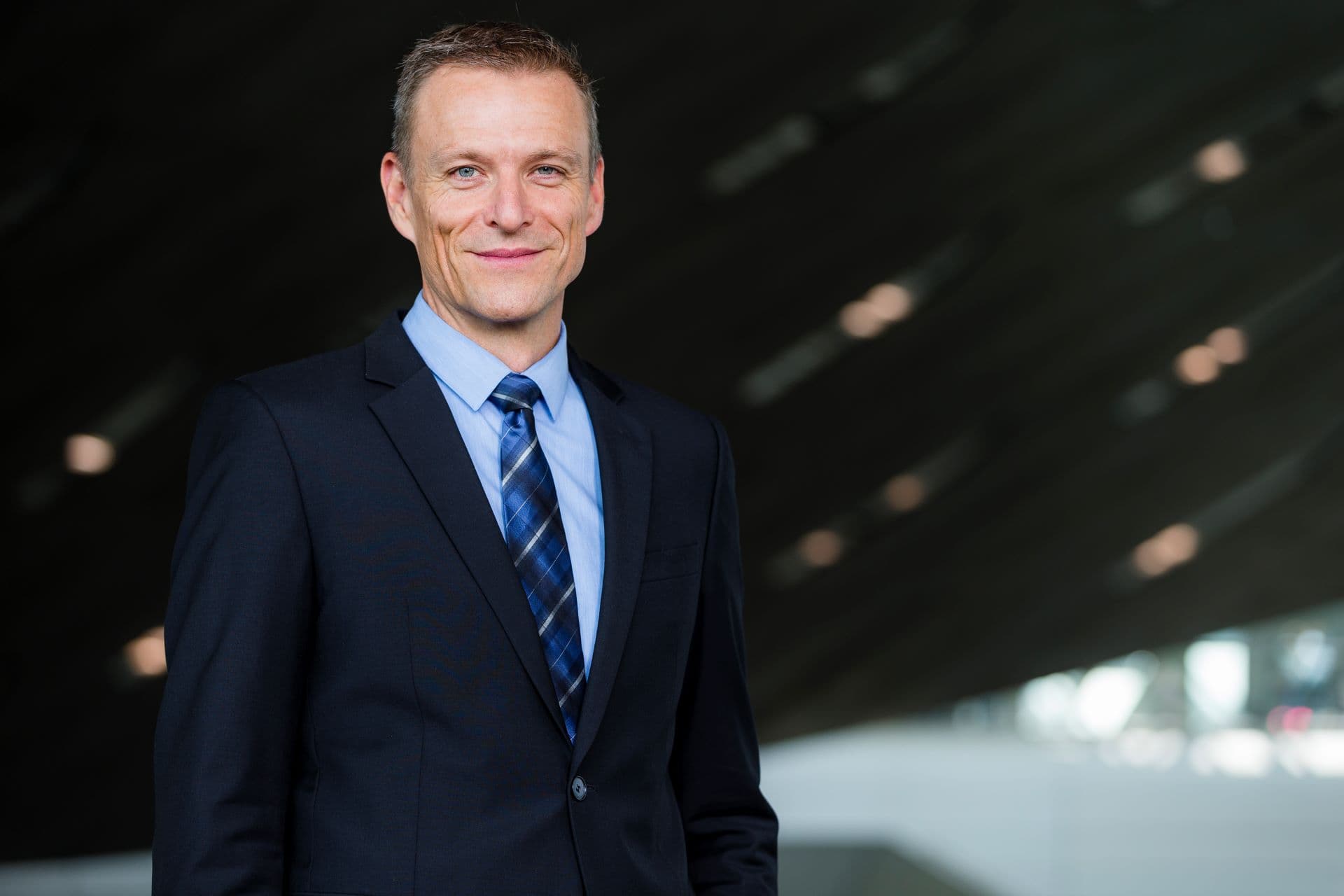
South Africa’s automotive sector is not advocating for drastic rises in vehicle import duties but is instead urging government to implement more precise policy adjustments to strengthen local manufacturing, BMW South Africa’s Chief Executive Officer (CEO) said on Wednesday.
Reuters reported that BMW CEO Peter van Binsbergen addressed journalists following questions prompted by remarks made in Parliament by the country’s international trade commissioner, who highlighted the gap between South Africa’s current 25% import duty on vehicles and the 50% ceiling permitted under World Trade Organization (WTO) rules.
During the same parliamentary session on Tuesday, deputy trade minister Zuko Godlimpi informed Members of Parlement (MPs) that his department is reviewing the prospect of increasing tariffs on imported cars.
“Fifty percent is the WTO’s bound rate. I can state unequivocally that no one within the industry is calling for that. That must be absolutely clear,” van Binsbergen said. “The commissioner was simply pointing out what is technically possible.”
Van Binsbergen, who also serves as president of the Automotive Business Council (Naamsa), the country’s automotive industry association, explained that manufacturers are seeking “fine-tuning across all mechanisms within the Automotive Production and Development Programme ( APDP) rather than relying on one heavy-handed measure,” referring to South Africa’s automotive production and development programme.
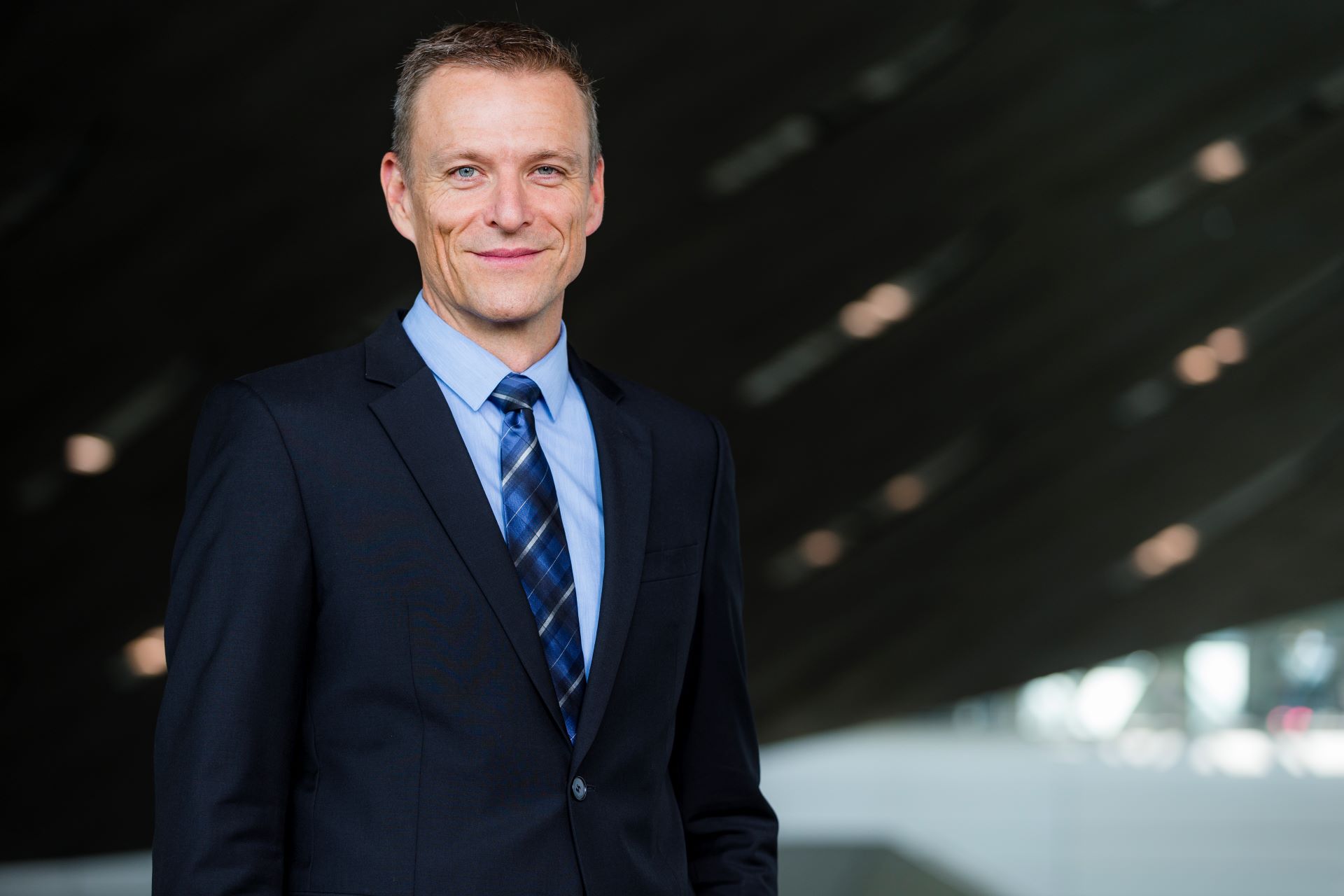
A leap to the 50% threshold would be “a major shock to the system”, he warned, adding that the biggest unintended consequence would be reduced affordability for entry-level car buyers.
Despite persistent affordability challenges and heightened competition from Chinese brands, the CEO reported that BMW South Africa achieved its highest-ever share of the premium market last year, increasing to 46.2% from 44.3% in 2024.
Retail sales for the BMW brand rose by 12% in 2025, and the company’s Rosslyn plant manufactured more than 79,000 vehicles—its largest annual output in its 52-year history.
The automaker is preparing to introduce the BMW iX3—its first model from the fully electric Neue Klasse range—to the South African market in the second half of the year.
Seen globally as a key contender in the premium electric vehicle space, the model enters a local market in which BMW currently holds a 22% share of the battery-electric segment.
Staff Writer
Reporting from the front lines of the automotive industry, delivering expert analysis and the technical updates that drive the South African motor sector forward.
More news from News