A new study by NAACAM and the ILO warns that the transition from internal combustion engine vehicles to new energy vehicles (NEVs) could place 8 200 direct jobs at risk between 2025 and 2035.
The report highlights both risks and opportunities. Under a severe scenario, job losses could be substantial, but with the right industrial policies and investment incentives, around 3 370 direct jobs could be created through localisation of NEV components such as high-voltage wire harnesses, thermal management systems and hydrogen fuel cells.
“Whether that transition results in industrial growth or manufacturing decline will depend on the policy choices and investments made today,” the study states. It also notes that while many existing skills will remain relevant, they must be complemented by expertise in robotics, artificial intelligence and advanced manufacturing.
South Africa’s current skills development ecosystem is described as being at a basic level of readiness. The report calls for significant investment to meet future demand, alongside stronger demand- and supply-side incentives to encourage component manufacturing. Stakeholder consultations revealed that many local manufacturers are hesitant to diversify into NEV production due to policy uncertainty and logistical challenges.
To support the transition, the study recommends six priority actions: incentives for NEV adoption, investment support for component manufacturing, workforce skills audits, expanded training programmes, strengthening the technical education pipeline and providing reskilling opportunities for displaced workers.
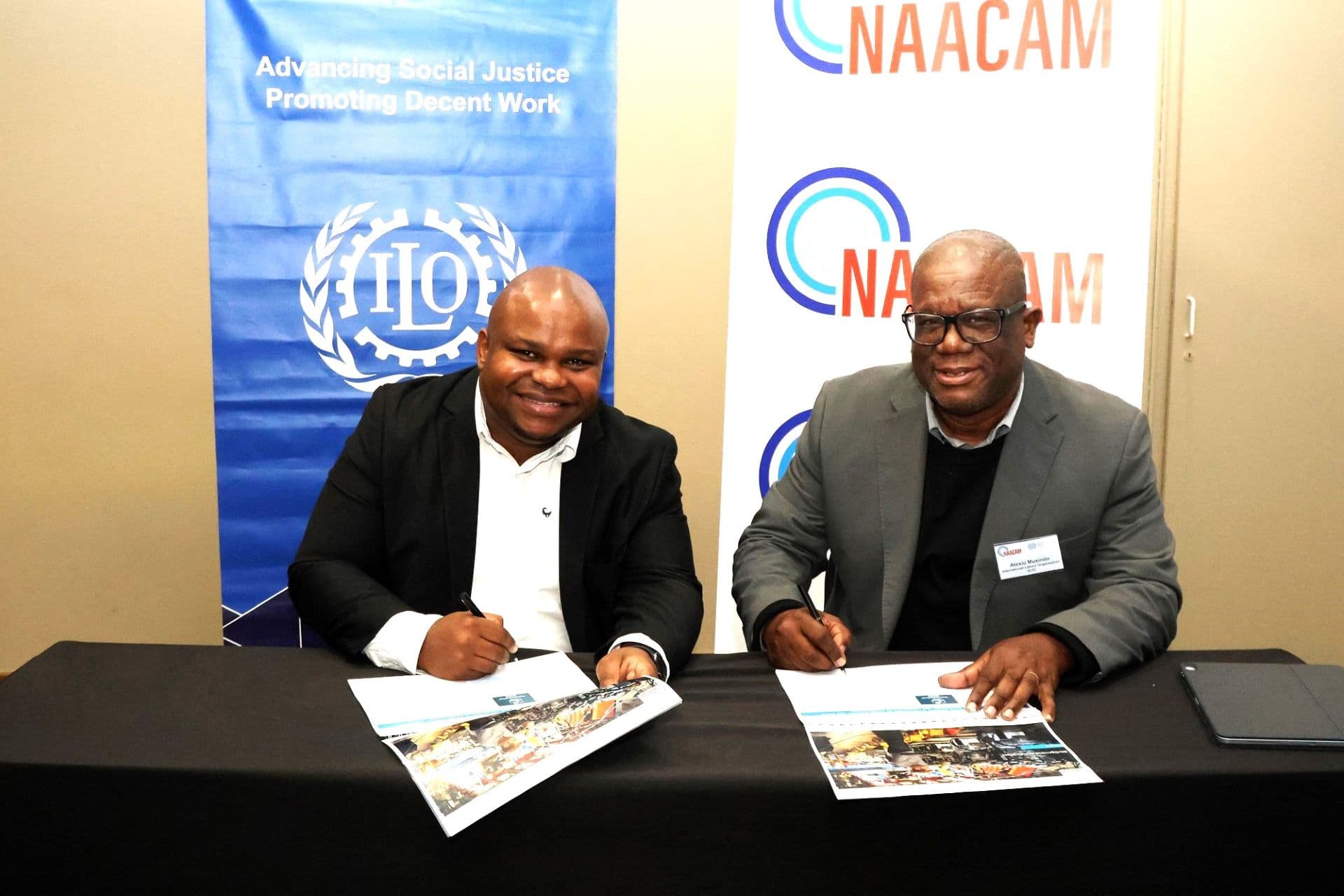
NAACAM’s Ndu Chala and ILO’s Alexio Musindo emphasised that South Africa has an important opportunity to participate in the global transition to cleaner mobility. The report concludes that coordinated action between government, industry and labour will be essential to ensure the country’s automotive sector remains competitive in the years ahead.
Staff Writer
Reporting from the front lines of the automotive industry, delivering expert analysis and the technical updates that drive the South African motor sector forward.