The southern African automotive aftermarket remains full of opportunity, but businesses can no longer rely on old strategies if they want to stay competitive in the years ahead.
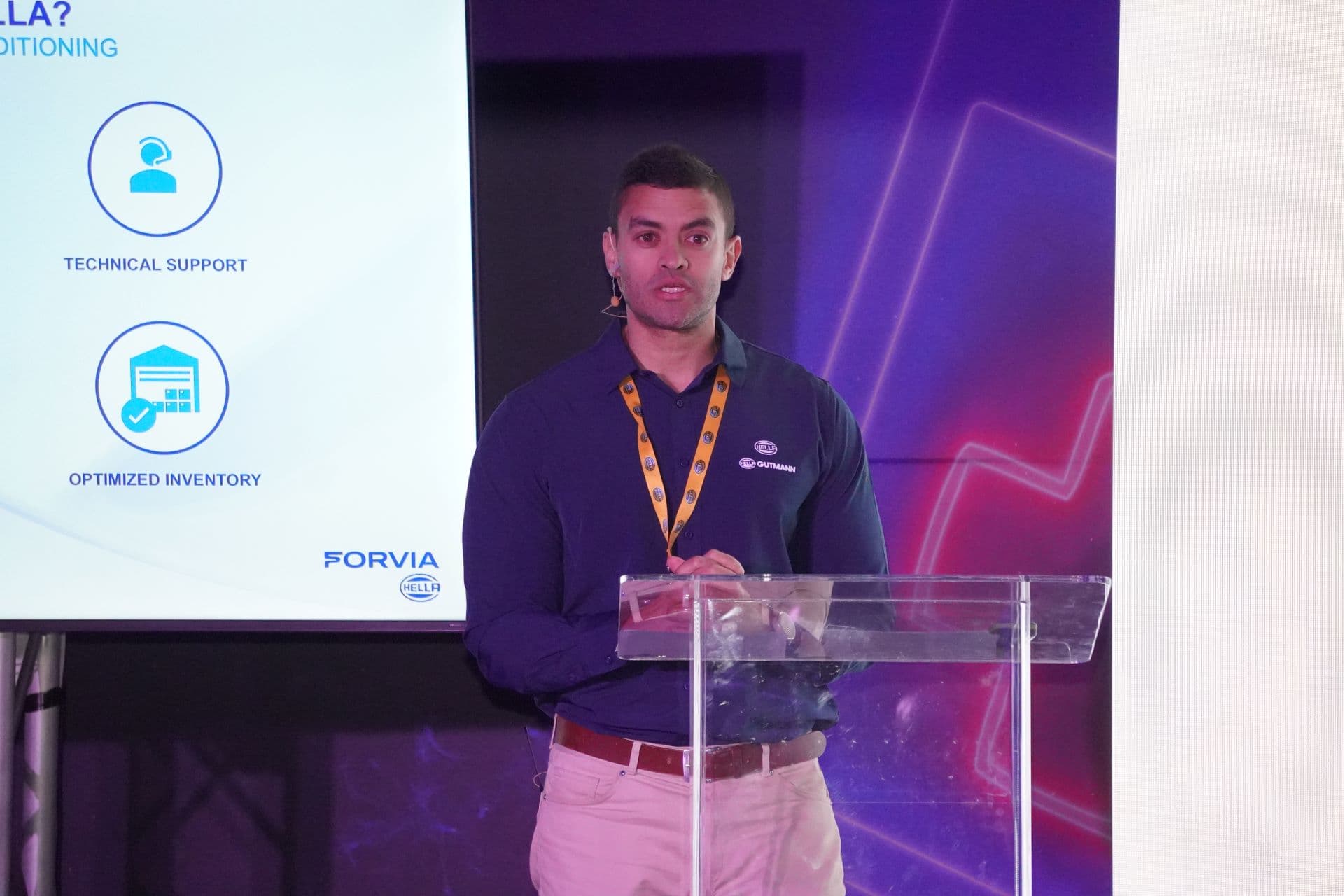
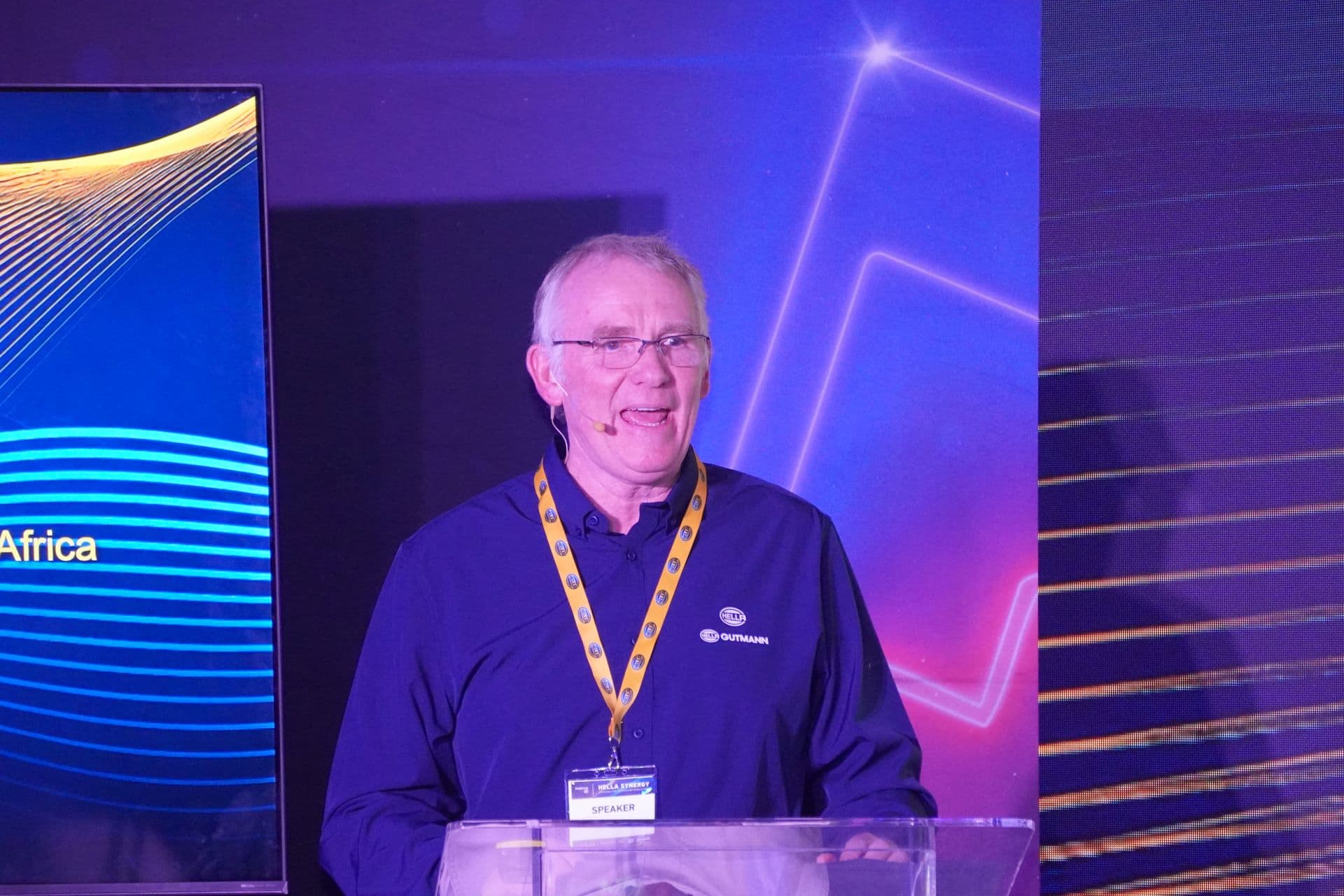
That was the key message delivered by Andrew Fuller, Sales and Marketing Manager at Hella Automotive South Africa, during the Hella Synergy event held in Sandton on 9 June 2026. Addressing delegates under the theme Preparing for the Evolving Vehicle Parc, Fuller encouraged distributors and workshops to take a measured approach to industry change, focusing on preparation rather than reacting with uncertainty.
According to Fuller, the aftermarket is not facing decline. Instead, it is entering a period of transformation driven by advances in vehicle technology, the increasing age of vehicles on the road and the gradual introduction of hybrid and electric mobility.
While electrification continues to attract attention, conventional internal combustion engine vehicles remain firmly established in South Africa. Fuller noted that fully electric vehicles accounted for only a small portion of the market in 2023, with hybrid models showing stronger momentum. Nevertheless, he emphasised that the transition towards new energy vehicles has already begun, making early planning essential for businesses that want to remain relevant.
One of the biggest factors influencing the market is the age profile of the vehicle parc. With the average vehicle on South African roads now more than a decade old, demand for traditional maintenance and replacement parts is expected to remain strong for the foreseeable future. Product groups such as lighting components, sensors, wiper systems and globes are particularly well positioned because their relevance extends across different vehicle powertrains.
At the same time, modern vehicles are becoming increasingly dependent on electronic systems. Fuller explained that sensors, control units and advanced electrical components are playing a greater role in vehicle operation than ever before. Thermal management is also emerging as a significant growth area, particularly as hybrid and electric technologies become more widespread. As a result, aftermarket demand is expected to shift steadily from categories linked to exhaust and fuel systems towards electronics and cooling-related solutions.
Infrastructure remains a major influence on adoption trends. South Africa currently has more than 5,000 fuel stations, compared with fewer than 600 public charging stations, reinforcing the continued dominance of petrol and diesel vehicles. However, Fuller pointed out that policy initiatives could accelerate the development of the local new energy vehicle sector. Measures such as the 150 per cent tax incentive for electric vehicle production and discussions around battery manufacturing have the potential to strengthen the industry's long-term growth prospects.
For distributors, Fuller advocated a staged inventory approach. The first priority should be maintaining strong availability of high-demand ICE components that continue to generate the bulk of aftermarket revenue. From there, businesses should gradually expand their range of hybrid and electric vehicle products as market demand develops. He also stressed the importance of moving beyond a traditional supply role by providing technical support, training and diagnostic expertise to customers.
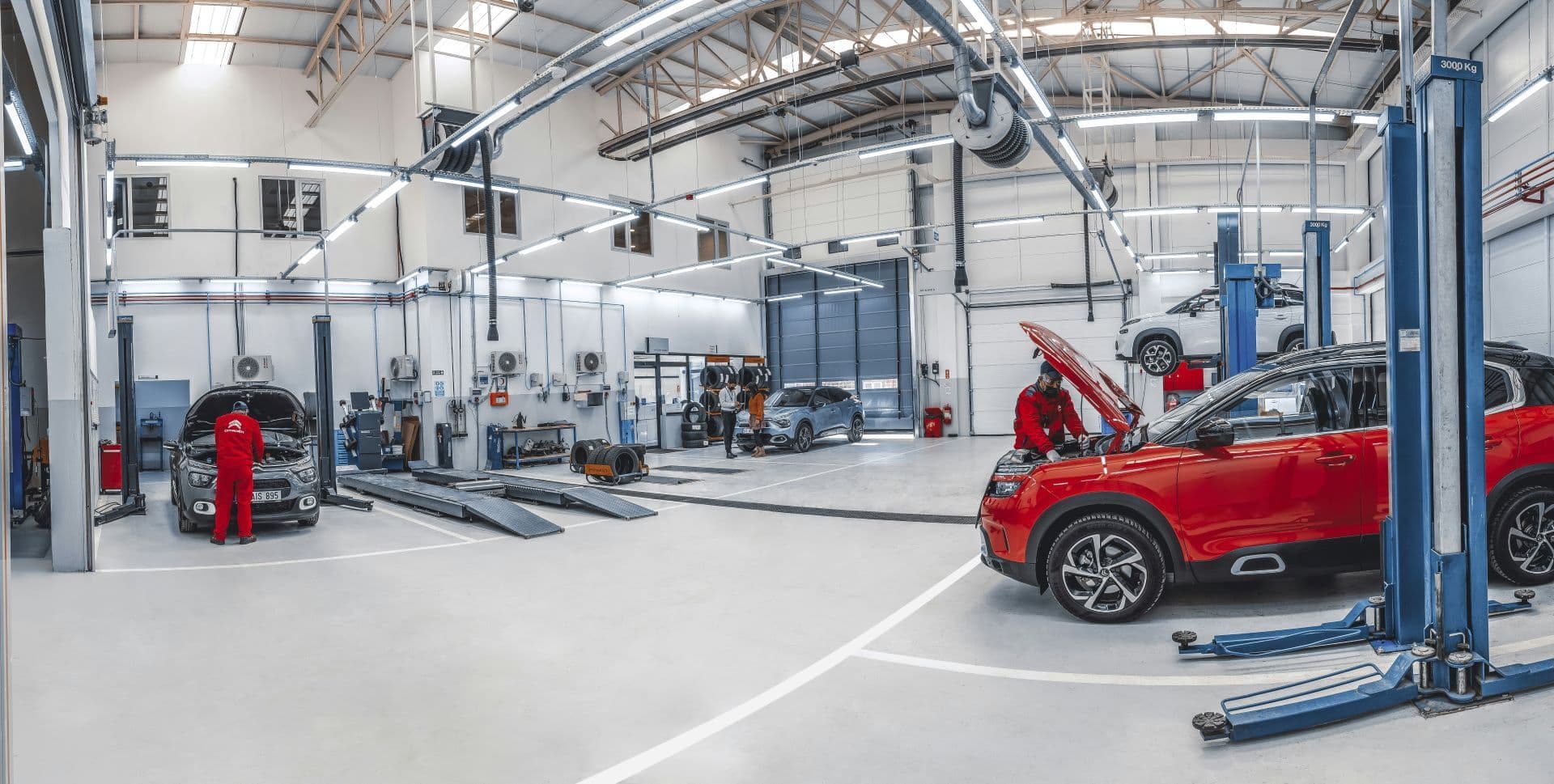
Workshops face a similar need for adaptation. Fuller warned that mechanical knowledge alone is no longer sufficient in an increasingly technology-driven environment. Technicians will need stronger diagnostic skills, greater familiarity with software and electronic systems, and a clear understanding of the safety procedures associated with high-voltage vehicle platforms. Investment in advanced testing and diagnostic equipment will be critical for workshops aiming to maintain profitability and competitiveness.
Throughout the presentation, Fuller highlighted Hella’s commitment to supporting the aftermarket through this transition. The company continues to strengthen its established ICE product offering while expanding into future-focused categories including thermal management, advanced electronics and sensor technologies.
His message to the industry was clear: success will belong to businesses that continue meeting the needs of today’s vehicle parc while investing in the expertise, product range and capabilities required for the next generation of mobility.
Staff Writer
Reporting from the front lines of the automotive industry, delivering expert analysis and the technical updates that drive the South African motor sector forward.