Taking delivery of a vehicle after collision repairs can be an anxious moment for many motorists. Although accredited repairers work according to strict repair standards and carry out a series of inspections before handover, customers often want to satisfy themselves that the approved repairs have been completed properly.
The South African Motor Body Repairers' Association (SAMBRA), an association of the Retail Motor Industry Organisation (RMI), says a better understanding of the authorised repair work and a few simple checks at collection can help motorists feel more comfortable and informed.
Juan Hanekom, National Director of SAMBRA, says many consumers mistakenly believe a repairer is expected to restore the entire vehicle after an accident. He explains that work is only carried out within the scope approved by the insurer or by the customer. Should extra repairs be required, these can be discussed separately and quoted for accordingly.
For this reason, Hanekom recommends that motorists focus first on the specific section of the vehicle that was repaired.
Inspect the repaired section closely
The repaired area should appear neat, properly aligned and consistent with the rest of the vehicle. A useful starting point is to check the spacing between panels around doors, bonnets, boots and any repaired sections. These gaps should be even and in line with the adjoining bodywork.
According to Hanekom, a well-executed repair should not look obvious or out of place when compared with the surrounding panels.
Examine the paint match
Paintwork is usually one of the first things a customer notices. Hanekom advises motorists to stand a short distance from the vehicle and inspect the repaired area from several viewpoints, preferably in daylight.
This helps reveal whether the colour tone, gloss level and texture are in keeping with the rest of the bodywork. The finish should look consistent rather than patchy or noticeably different.
Look out for finishing quality
Although a repaired vehicle is generally returned clean and tidy, motorists should not assume a complete valet or detailing service is included unless it was specifically agreed as part of the job.
Even so, it is worth checking the repaired area for signs of careful finishing. This may include residue from polishing compounds, paint overspray, unsecured trim, or other marks left behind during the repair process.
Hanekom notes that these details can often say a great deal about the care taken in completing the work.
Test that everything functions as it should
If the authorised repair involved components such as doors, windows, lights, sensors or other fitted parts, these should be checked to confirm that they are working properly. If anything seems incorrect, motorists should raise it before leaving and ask the repairer to explain the repairs carried out.
Be aware of the repairer’s inspection process
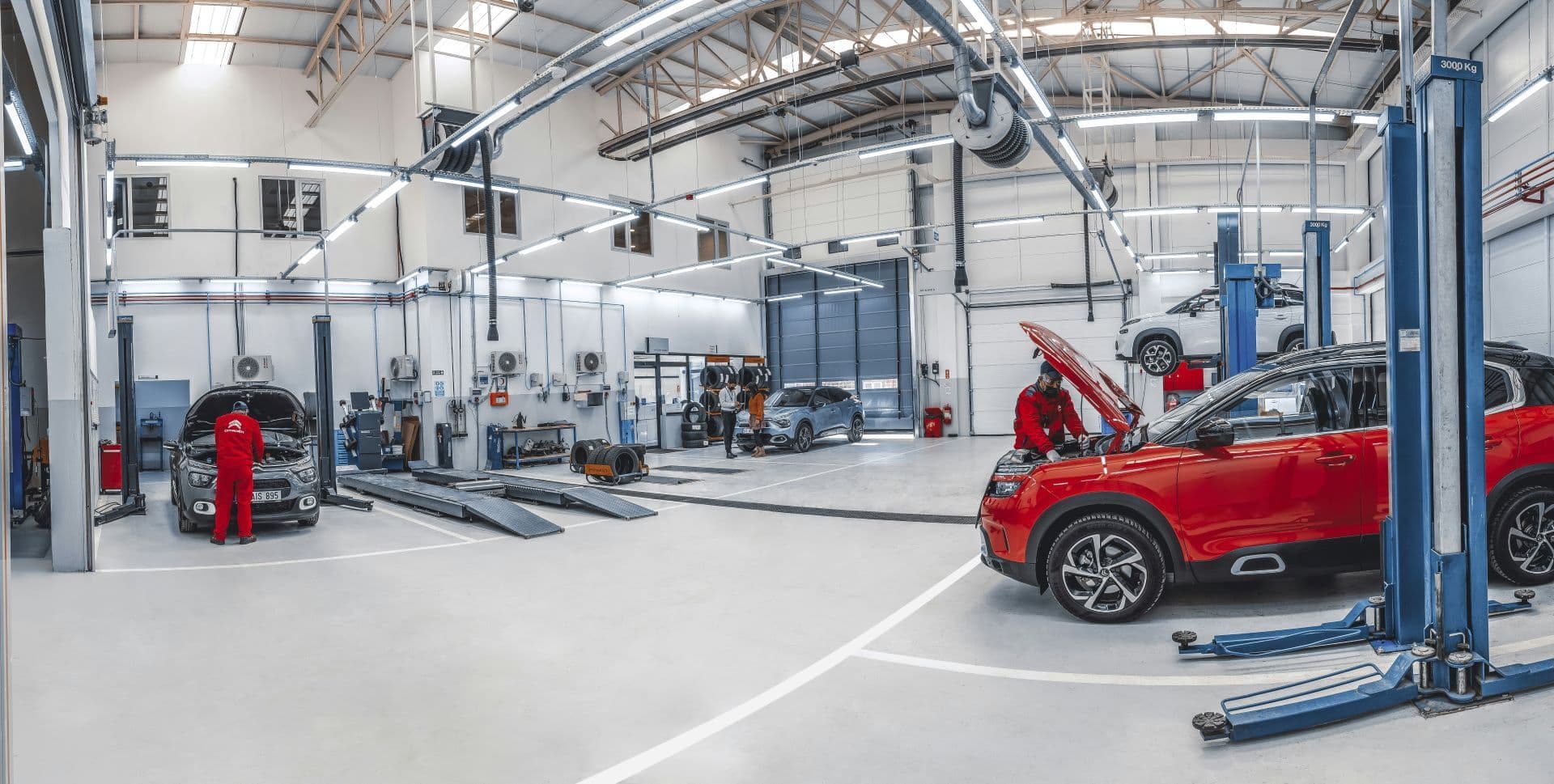
Hanekom points out that accredited repairers carry out several checks throughout the repair journey. These commonly take place when the vehicle is first assessed, when it is booked in, during the repair process and again before the vehicle is handed back.
In many cases, repairers also keep detailed photographic records from the time the vehicle arrives to the point of delivery. These checks form an important part of the quality-control process and are intended to ensure the work has been completed to the required standard.
As modern vehicles continue to evolve, with more advanced materials, integrated sensors and safety features, the quality of collision repairs becomes increasingly important. Proper repair work is essential not only for appearance, but also for maintaining vehicle safety and performance.
SAMBRA encourages motorists to choose accredited repairers, ask questions about the approved work and make sure they understand what has been repaired before accepting the vehicle.
Hanekom says a proper collision repair is about more than simply restoring appearance. It is about repairing the damaged area correctly in line with approved procedures and ensuring the customer can drive away with confidence.
Staff Writer
Reporting from the front lines of the automotive industry, delivering expert analysis and the technical updates that drive the South African motor sector forward.