South Africans are keeping their vehicles for far longer than they once did, largely because buying a replacement has become too expensive for many families.
Research from the Automobile Association suggests that more than 90% of motorists feel economic pressure is forcing them to delay upgrading, while We Buy Cars has reported that most vehicles sold in the country are now 10 years old or more.
For the Motor Industry Workshop Association, part of the Retail Motor Industry Organisation, this trend brings a clear warning. If people are going to keep cars longer, they need to take maintenance far more seriously.
According to MIWA National Chairman Dewald Ranft, modern vehicles are capable of lasting well beyond a decade, but only if they are properly cared for. He says many motorists are making the mistake of cutting back on servicing in order to save money, only to face far more serious repair bills later.
That concern is especially relevant in South Africa, where fuel prices, interest rates, insurance premiums and broader living costs continue to put pressure on household budgets. While international experience shows that many vehicles can exceed 200,000 km with dependable performance, this only happens when owners stay on top of routine care.
Ranft stresses that there is an important difference between simply holding onto a car and actively maintaining it so that it remains safe and reliable. Delaying an oil change, ignoring a warning light or postponing a tyre replacement may offer short-term relief, but these choices can create far bigger costs in the future.
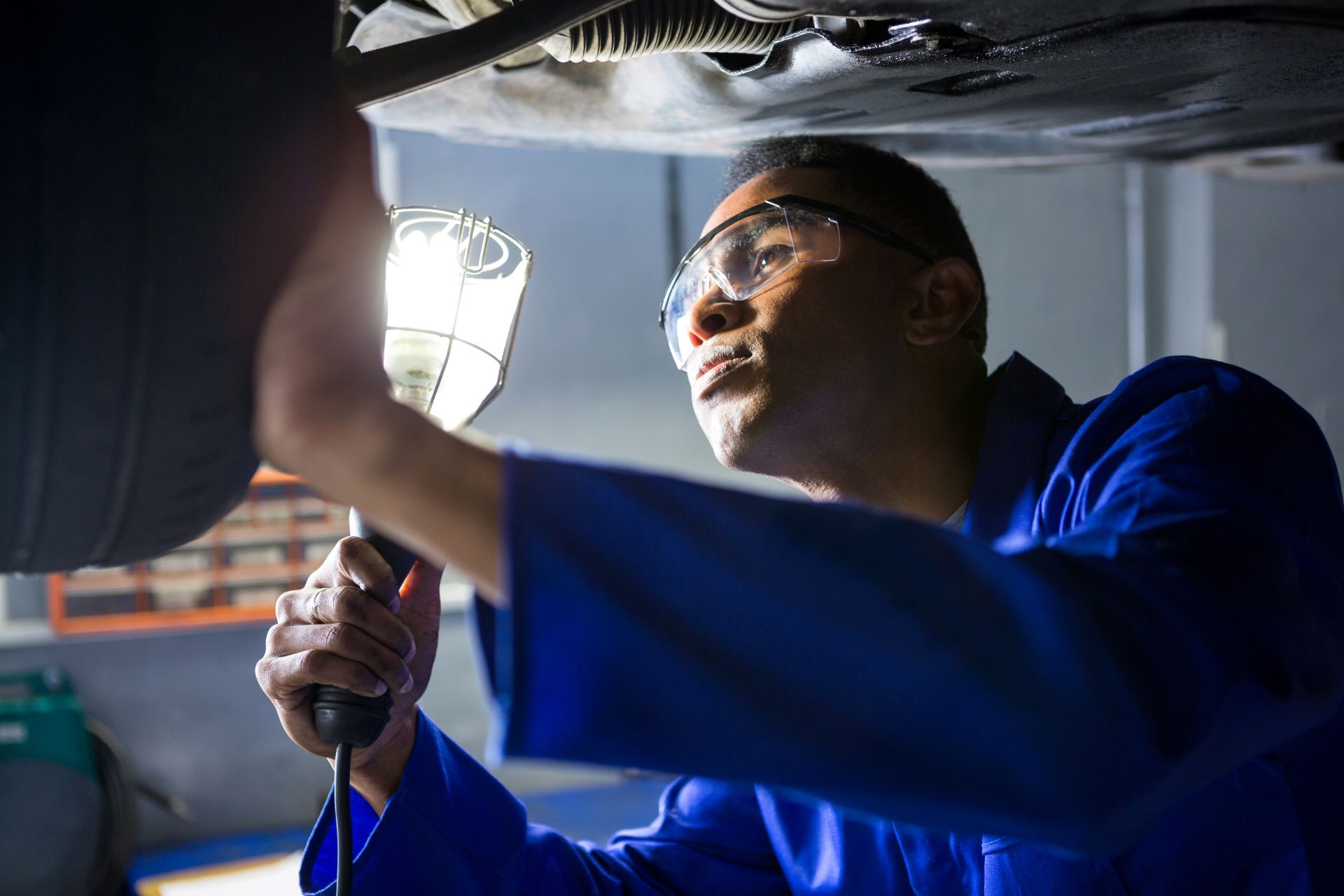
One of the most common mistakes, he says, is waiting until something goes badly wrong before visiting a workshop. In reality, cars often show signs of trouble long before a major failure occurs. Unusual sounds, vibrations, leaks, poor fuel consumption, smoke or dashboard alerts should all be treated as early warnings rather than inconveniences to be ignored.
Regular servicing remains one of the most effective ways to extend the life of a vehicle and protect its resale value. Small problems can often be picked up and fixed before they become major mechanical failures.
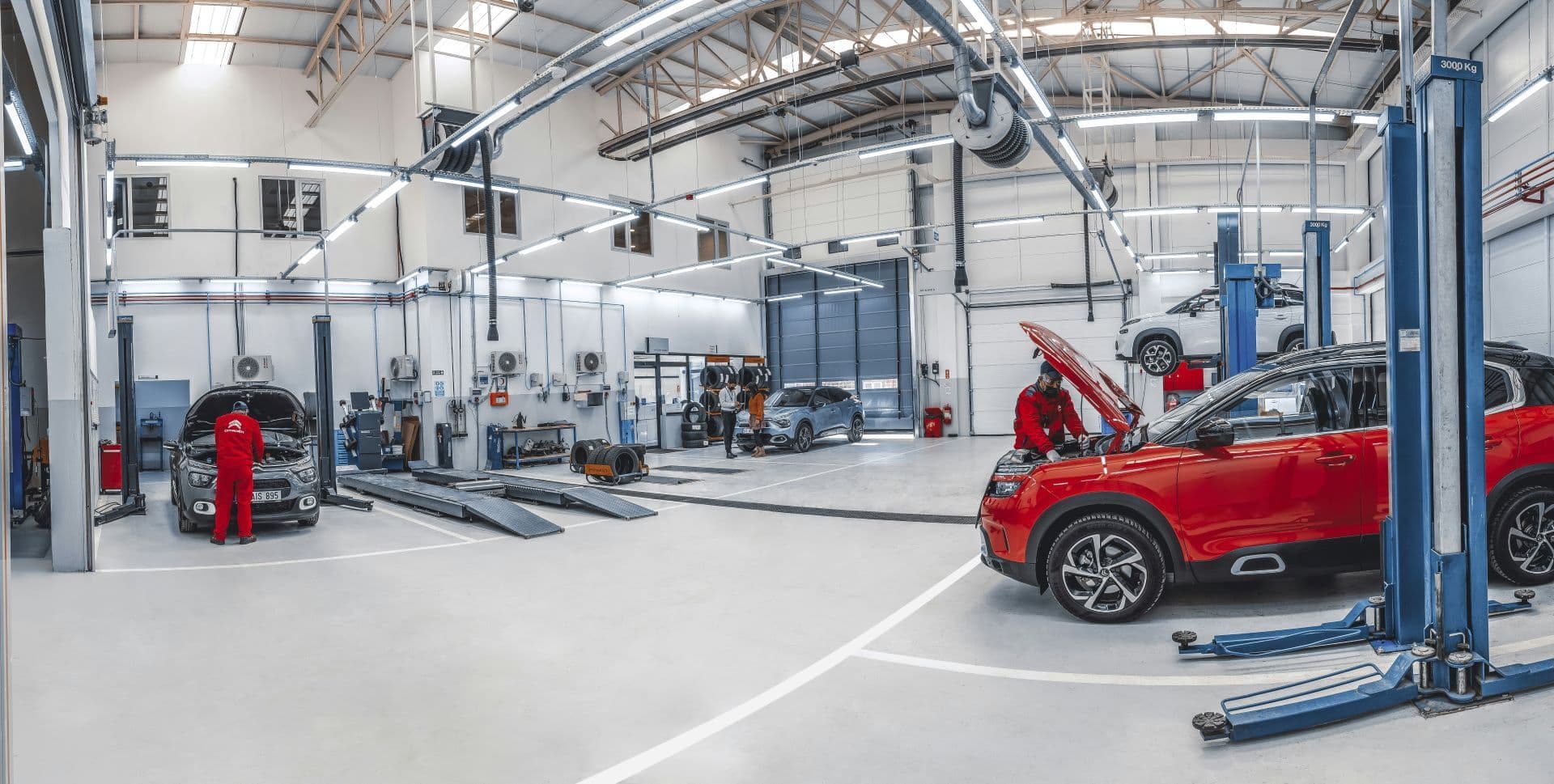
MIWA advises motorists to focus on a few key areas if they want their vehicles to remain dependable. These include following the manufacturer’s service schedule, changing oil and filters on time, checking tyre pressure and wheel alignment, monitoring brakes and suspension, keeping an eye on the battery and cooling system, and responding quickly to warning lights. The association also recommends using quality parts, oils and fluids, and relying on reputable accredited workshops for inspections and repairs.
South African road conditions add to the challenge. Potholes, rough surfaces and heavy traffic can speed up wear on tyres, steering, brakes and suspension systems, which makes regular inspections even more important.
Ranft also cautions against choosing cheap replacement parts simply to cut costs. Inferior components may seem like a saving, but they often reduce reliability and can lead to more expense later. Quality parts fitted by trained technicians are usually the better long-term investment.
Another issue is that many motorists no longer have maintenance plans once a vehicle is out of warranty. This means servicing and repairs must come directly from household budgets, making forward planning essential.
Above all, MIWA says neglected maintenance is not only costly but dangerous. Worn tyres, poor brakes and failing suspension can put drivers, passengers and other road users at risk. Keeping a car for longer is realistic, but only if owners treat maintenance as a priority rather than something to put off.
Staff Writer
Reporting from the front lines of the automotive industry, delivering expert analysis and the technical updates that drive the South African motor sector forward.