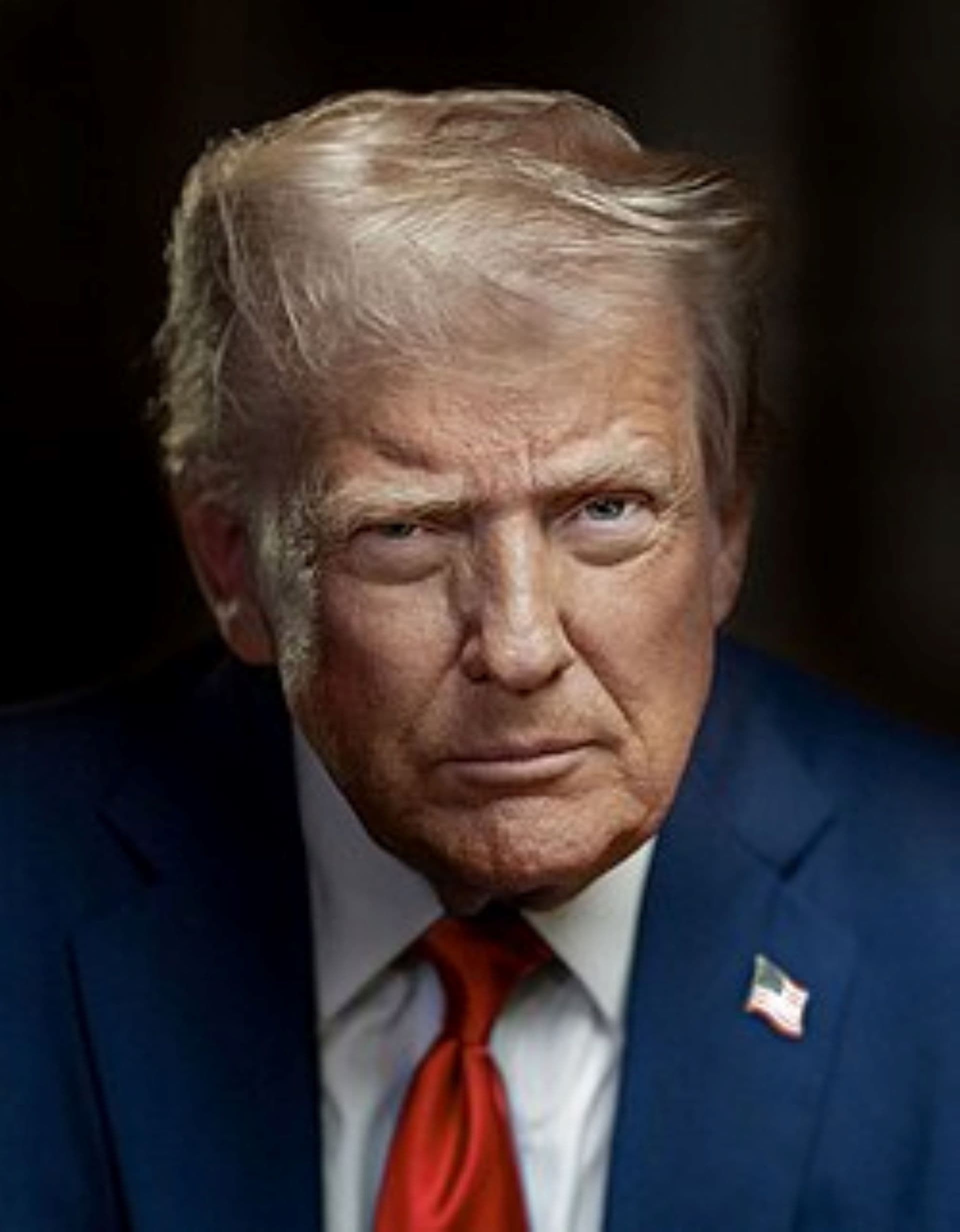
According to Reuters, Donald Trump says he will lift US tariffs on cars and trucks “coming into the United States” from the European Union to 25% next week, up from the 15% rate set under last year’s US–EU Turnberry trade framework.
Brussels rejects the claim that it has failed to implement the deal, but the White House argues the EU has moved too slowly on cutting its own duties and aligning certain vehicle rules.
The most important detail for consumers and carmakers is this: the target is not “traditional European brands” as such, but vehicles imported from the EU. In other words, the tariff is about where a vehicle is manufactured (its origin), not the badge on the bonnet.
That means the higher duty would apply to any car or light truck manufactured in an EU member state and exported to the US, regardless of the company’s nationality. A “European” brand that builds a model in the United States would be outside the scope of the import tariff. Equally, a non-European brand that manufactures vehicles in Europe for export to America could be caught.
Trump underlined this distinction by saying there would be no tariff if companies produce cars and trucks in US plants, signalling again that his objective is to pull investment and assembly lines onto American soil.
The move also sits within a wider tariff architecture. Trump’s administration has previously used Section 232 national security authority to justify a 25% tariff on imported passenger vehicles and light trucks. The Turnberry framework effectively softened the EU-specific outcome to a 15% ceiling for many products, including autos. This new threat would reopen transatlantic trade tensions just as European lawmakers are still finalising the EU-side legal steps needed to implement parts of the agreement.
For European manufacturers, the pressure point is clear. Firms with major US production footprints may be able to shield some sales, while those relying on exports from Germany, Slovakia, Italy, Sweden and other EU hubs face a direct cost shock. The bigger risk is escalation: Brussels has warned it will “keep its options open” if Washington breaches commitments, raising the prospect of retaliatory tariffs that would ripple through supply chains on both sides of the Atlantic.
Staff Writer
Reporting from the front lines of the automotive industry, delivering expert analysis and the technical updates that drive the South African motor sector forward.